Inverter Types and Technologies
Best Solar Inverter
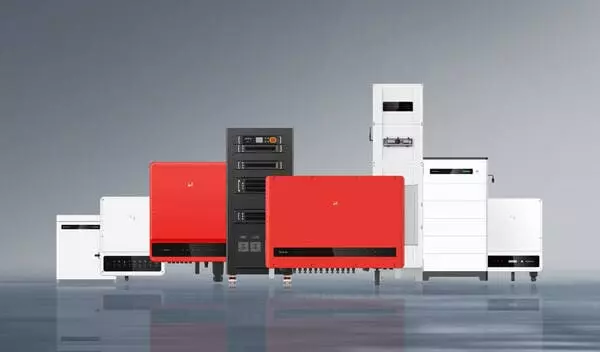
Match inverter capacity to solar panel capacity, roof design, and export limits. Balance inverter cost, efficiency, warranty, telemetry, and service coverage in the Australian market. The right choice aligns with your solar panel array, future battery system plans, and site objectives.
String Inverters
The most common approach for homes and many commercial solar systems. Panels are wired in series as an entire string into one inverter or a single inverter per MPPT. If one panel under-performs, yield can drop for that string, so layout and shading matter.
Micro Inverters
Multiple microinverters convert at each module, isolating performance and aiding complex roofs. Great monitoring with a single unit per panel. Examples in market include Enphase Energy. Extra features can add extra cost compared with strings.
Hybrid Inverter
A hybrid inverter controls PV and batteries in one chassis. Ideal for future storage or backup. It simplifies wiring, supports AC output control, and can reduce system cost compared with separate devices.
Battery Inverter and Dedicated Battery Inverter
Used to add storage to an existing PV system without replacing the solar panel inverter. Helpful for staged upgrades, retrofits, and AC-coupled battery architectures.
Central Inverters for Large Sites
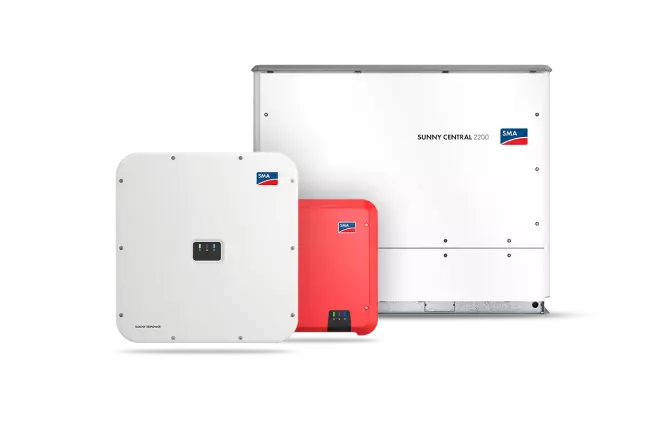
Suited to commercial solar installations and utility scale solar farms. A central string inverter aggregates many strings, enabling streamlined maintenance and high rated output.