
Solar systems
Understand how inverters fit within whole-of-home planning and monitoring: Solar Systems and Residential Solar Systems.
A residential solar inverter is the heart of your solar power system. It turns dc electricity from your solar panels into safe ac electricity, manages maximum power point tracking (MPPT) for more power, and can enable battery storage for energy independence. This guide explains solar inverter types, how sizing works, which inverter brands to consider, and what affects inverter cost and performance for Australian homes.
A home inverter sits between your solar panel array and the electricity grid. The inverter converts dc from pv modules into ac power your appliances can use. Good design improves system performance, supports a future battery system, and helps lower electricity bills across your solar journey. See component roles and specifications in our hub: Solar Inverters.
Understand how inverters fit within whole-of-home planning and monitoring: Solar Systems and Residential Solar Systems.
Compare modules to pair correctly with your inverter and solar technology plan: Solar Panels.
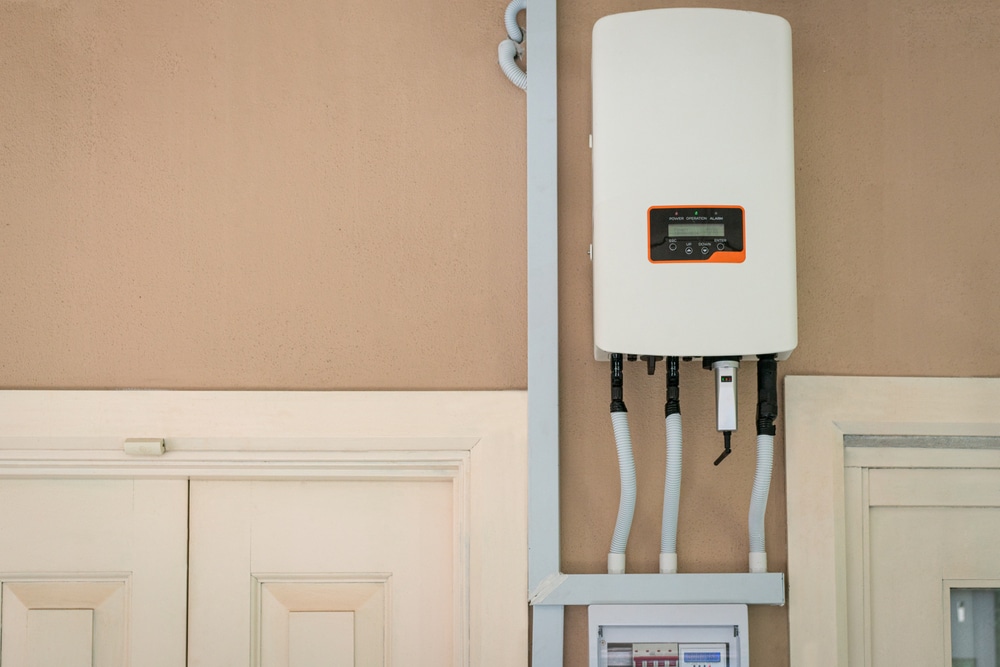
Hybrid inverters combine PV and batteries in one chassis. This simplifies energy flow and backup circuits, reduces balance-of-system hardware, and keeps data in one app. Ideal when you want storage soon, or want the same inverter to coordinate PV and the battery for maximum efficiency with grid power and tariff controls.
A battery inverter, sometimes called a dedicated battery inverter, adds storage to an existing PV setup without replacing the PV inverter. This separate inverter approach is ideal for retrofits or for households preferring AC-coupled batteries. It preserves device warranties while unlocking backup and bill-shifting.
Reputable solar inverter brands offer dependable conversion, stable communications, and strong local support in the solar industry. Look for long warranties, good thermal design, and proven uptime across Australian conditions. Explore manufacturers and model families: Inverter Brands.
Central inverters concentrate conversion for large arrays. They suit commercial roofs and utility-scale projects where maintenance access and telemetry are critical. Homes typically use string inverters or micro inverter architectures instead.
Power optimisers keep panels operating near their individual maximum when partial shading or mismatch occurs. They work with a central unit to deliver higher yield from complex roofs, helping improve system performance without switching fully to module-level micro inverter systems.

“Best solar inverter” depends on goals, budget, and site conditions. Consider weighted efficiency in heat and direct sunlight, MPPT tracking, robust cooling, app quality, and a reliable smart meter or electricity meter feed. Seek clear warranty terms and local service coverage, plus battery-ready communications and protections.
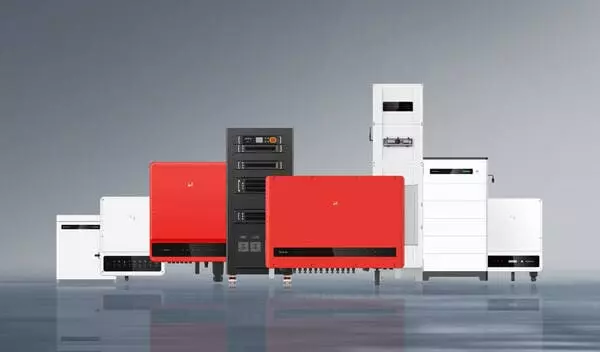
Right sizing balances electricity consumption, roof space, solar panel capacity, and export limits. Most homes select pv inverters in the 3 to 10 kW range, with some larger single phase properties using up to 15 kW on compliant connections.
Choose a rating that aligns with your roof and household loads. Each page explains use cases, typical power output, and pairing with solar panels.
PV inverters are often string inverters that aggregate dc electricity produced by multiple strings. They are cost-effective, efficient, and well supported on Australian rooftops. With correct stringing, tilt, and MPPT allocation, such a system can achieve strong yield and stable operation across varied pv systems.
Inverter cost varies by inverter capacity, communications, cooling, and protection features. Lifetime value improves when the device maintains output in heat, communicates reliably, and integrates cleanly with monitoring and retail plans.
Learn how installation, protection devices, and commissioning affect total value: Inverter Installation.
Check incentives that can shorten payback: Inverter Rebates.











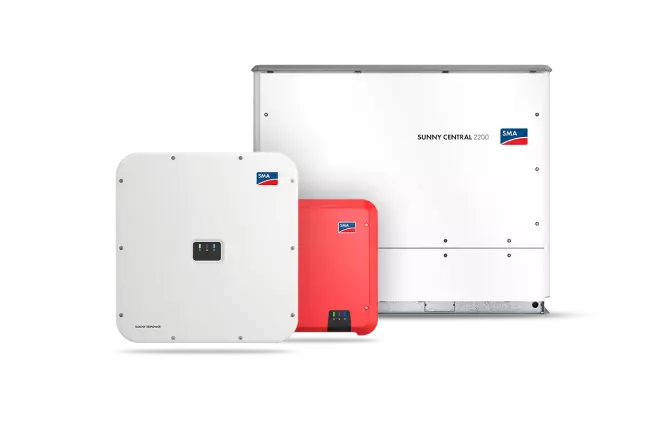
A micro inverter converts at the module, turning direct current output into alternating current on the roof. Advantages include module-level monitoring and better shade handling. Consider wiring complexity, device counts, servicing access, and whether power optimisers plus a central unit could meet goals with cutting edge technology features.
Solar power inverters take dc electricity from solar cells and output ac electricity for household loads and export. Most use MPPT to track the best operating point as light and temperature change.
If an inverter fails, the array stops producing power. Quality brands, proactive alerts, and fast service reduce downtime and protect yield.
Most homes choose string inverters for simplicity and value. Use a micro inverter design for complex roofs, or hybrid inverters when adding storage now or soon. Add a battery inverter later if you prefer a staged approach.
Yes. Hybrid inverters can coordinate PV, batteries, and grid power in one device. This keeps data unified and can simplify backup circuits.
Design strings for even irradiance, allocate MPPTs smartly, choose hardware with robust cooling, and maintain clean connections. Good configuration preserves system performance and energy outcomes over time.
Get tailored advice, premium components, and full-service support when you choose Solar Galaxy. We help you select, install, and maintain a solar solution built for long-term performance.