
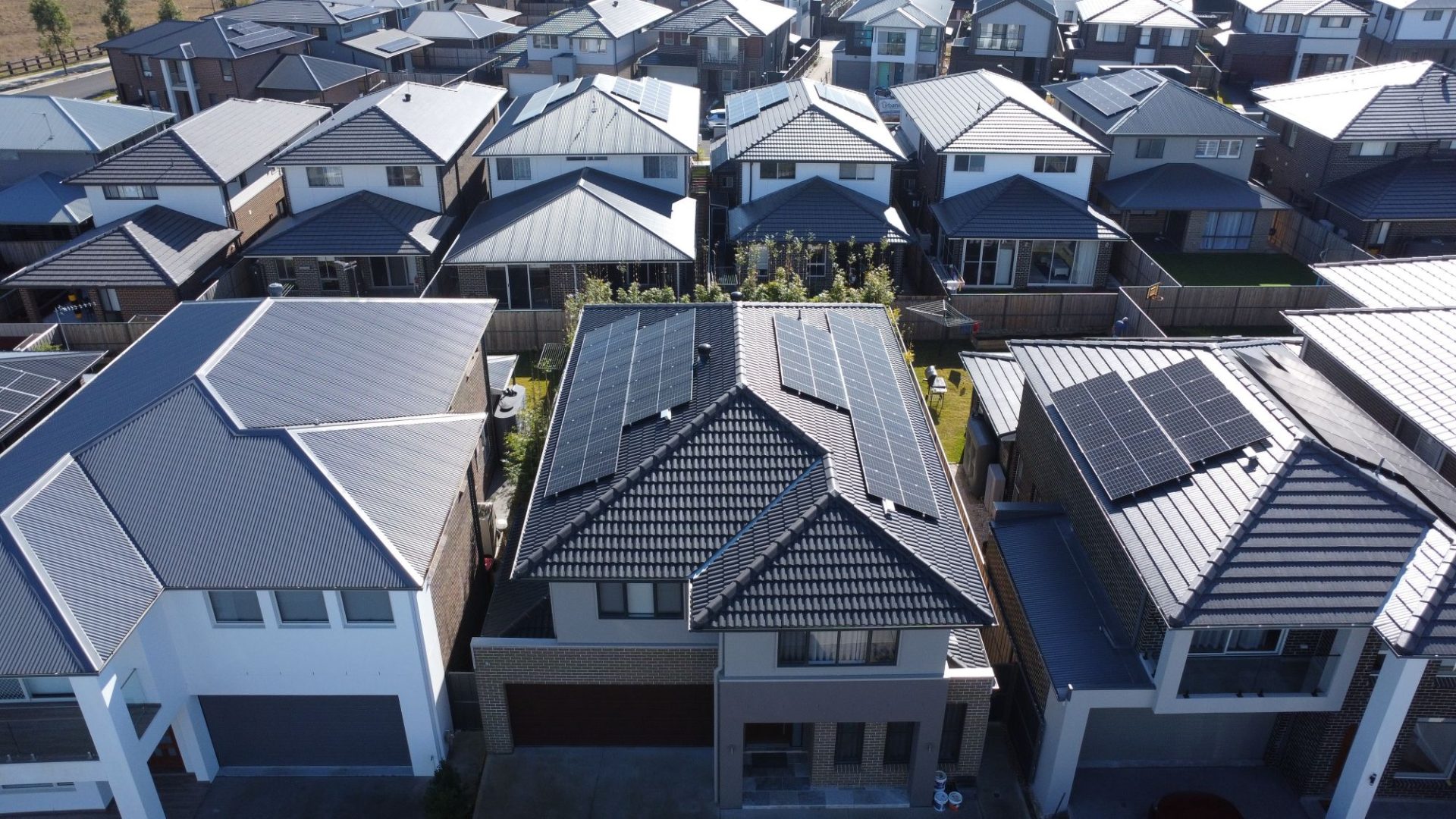

Solar panel degradation is influenced by extreme temperatures, UV radiation, aging, and chemical reactions. Extreme temperatures can cause crystalline silicon hardening, frame damage, and cell contamination, while UV radiation accelerates material deterioration. Aging and chemical reactions naturally reduce performance, leading to corrosion, material hardening, and microcracks. To prolong the lifespan of solar panels, opt for quality over the lowest price, maintain regular upkeep and repairs, inspect after major weather events, clean the system regularly, install with SAA Accredited Installers, schedule regular maintenance and checkups, and bird-proof the panels. Solar power offers benefits such as reduced energy bills, lower carbon emissions, long-lasting power generation, and reduced reliance on fossil fuels. In Australia, solar panel degradation is mainly driven by extreme weather, dust, and debris. Proper maintenance extends the lifespan beyond the initial period, and solar panels can maintain about 90% efficiency after two decades.
How long do solar panels last in Australia?
Solar panels last 25–30 years. In many cases, panels installed in the 1980s still operate at full capacity. Although performance gradually decreases over time, our installations are built to deliver dependable service for decades. Panels are designed to degrade slowly rather than fail abruptly, ensuring long-term, reliable power generation.
What factors affect solar panel degradation?
Solar panel degradation is impacted by:
Environmental exposure plays a key role. Extreme weather such as flooding, snow, ice, and high temperatures can cause crystalline silicon hardening, frame damage, and cell contamination. Microcracks may develop from hail, dust, or sand, while compromised seals allow water ingress.
Extreme Temperature
Extreme temperatures gradually reduce panel efficiency. Solar panels don’t have a strict “switch” where degradation begins. Instead, their efficiency gradually decreases as temperature rises or falls. Manufacturers typically rate panels at a standard test condition of 25°C. Beyond this baseline, efficiency declines by a temperature coefficient (usually around –0.3% to –0.5% per °C increase).
In terms of permanent material degradation, panels are designed to withstand operating temperatures up to about 85°C as used in industry tests (like IEC 61215). Sustained temperatures well above that threshold can accelerate long-term wear and reduce the panel’s lifespan. However, in most real-world conditions, the loss is a gradual performance drop rather than a sudden failure.
UV Radiation
UV radiation accelerates material deterioration. Exposure to UV radiation speeds up the deterioration of protective coatings and encapsulants. Over time, this exposure reduces the panels’ ability to convert sunlight into electricity efficiently.
Aging and Chemical Reactions
Aging and chemical reactions naturally reduce performance. Continuous exposure to harsh weather causes natural ageing. Corrosion, material hardening, and the development of microcracks contribute to a gradual drop in efficiency. Additionally, environmental contaminants and shadowing further reduce the system’s performance.
How to make your solar panels last longer?
Extend your panels’ lifespan with these proven strategies:
- Do not choose the cheapest quote
- Inspect after major weather events
- Clean your solar system regularly
- Install with CEC Accredited Installers
- Schedule regular maintenance and checkups
- Bird proof your solar panels
Implementing these measures helps ensure optimal performance and prolongs the life of your system.
Do not choose the cheapest quote
Opt for quality over the lowest price. Choosing a low initial cost can compromise the system’s performance and longevity. A reliable, quality installation delivers better performance and minimises future repair costs.
Inspect after major weather events
Inspect panels after severe weather. Following events such as hail storms or heavy winds, it is essential to check your panels for damage. Early detection of cracks or dents allows for swift repairs, helping maintain overall efficiency.
Clean your solar system regularly
Keep your system clean for optimal performance. Dust, bird droppings, and debris can obstruct sunlight and reduce panel efficiency. Cleaning your system at least every six months is recommended to ensure optimal energy absorption.
Install with SAA Accredited Installers
Use accredited professionals for installation. Our team of SAA Accredited Installers adheres to strict Australian standards, ensuring that every installation is safe, efficient, and long-lasting.
Schedule regular maintenance and checkups
Annual checkups help detect early issues. Scheduling regular maintenance allows us to identify early signs of wear or damage. This proactive checkup helps maintain your system’s overall performance and prolongs its lifespan.
Regular upkeep preserves system efficiency. While solar panels require minimal maintenance, routine cleaning and prompt repairs help prevent small issues from developing into larger, costlier problems. This proactive approach keeps your system operating at its peak performance.
Bird proof your solar panels
Prevent birds from nesting underneath your panels. Birds nesting underneath solar panels can lead to debris accumulation and potential damage to wiring and mounting structures. Installing deterrents or netting helps keep the area clear, ensuring your panels continue to operate at optimal performance.
Frequently Asked Questions
What are some benefits of using solar power?
The benefits of using solar power are:
- Reduced energy bills
- Lower carbon emissions
- Long-lasting, reliable power generation
- Decreased reliance on fossil fuels
Solar installations provide a cost-effective solution to cut energy expenses and contribute to a healthier environment. Our systems help lower greenhouse gas emissions and reduce reliance on non-renewable energy sources, making them an excellent choice for both homes and businesses.
What causes solar panel degradation in Australia?
Harsh environmental conditions cause degradation. In Australia, solar panel degradation is mainly driven by extreme weather, dust, and debris. Regular maintenance is key to counteracting these effects and preserving efficiency.
When should you consider replacing your solar panels?
Consider replacement when efficiency drops significantly. You should consider replacing your solar panels when their efficiency falls substantially below expected levels. While residential panels typically last 25–30 years, some systems may continue for up to 50 years at a reduced output. A noticeable decline in performance is a clear indicator that replacement might be necessary.
How fast do solar panels degrade in Australia?
Degradation rates range between 0.5% and 3% per year. High-quality solar panels degrade at a rate of about 0.5% to 3% per year. This gradual decline means that even after 20 years, panels generally operate at approximately 90% of their original capacity.
How long do solar panels last with proper maintenance?
Proper maintenance extends the lifespan beyond the initial period. With regular upkeep, solar panels can continue to deliver power well beyond their initial 25–30 year lifespan. Routine cleaning and timely repairs ensure the system remains effective, even as output gradually declines.
How long can solar panels produce energy at the optimum rate?
Solar panels maintain about 90% efficiency after two decades. Typically, solar panels experience an annual efficiency drop of around 0.5%. This slow decline means that even after twenty years, panels can operate at roughly 90% efficiency, ensuring effective energy production over the long term.