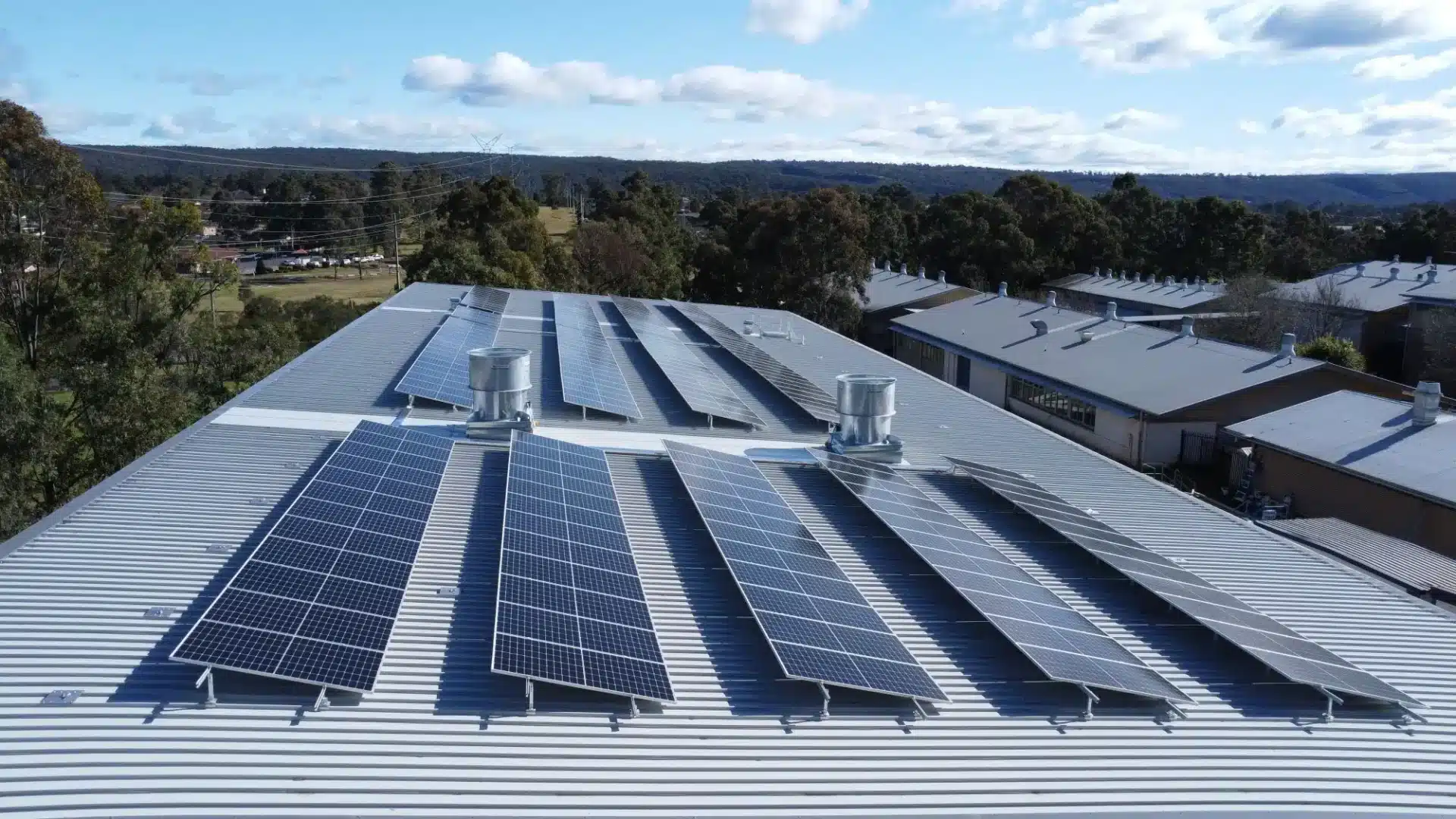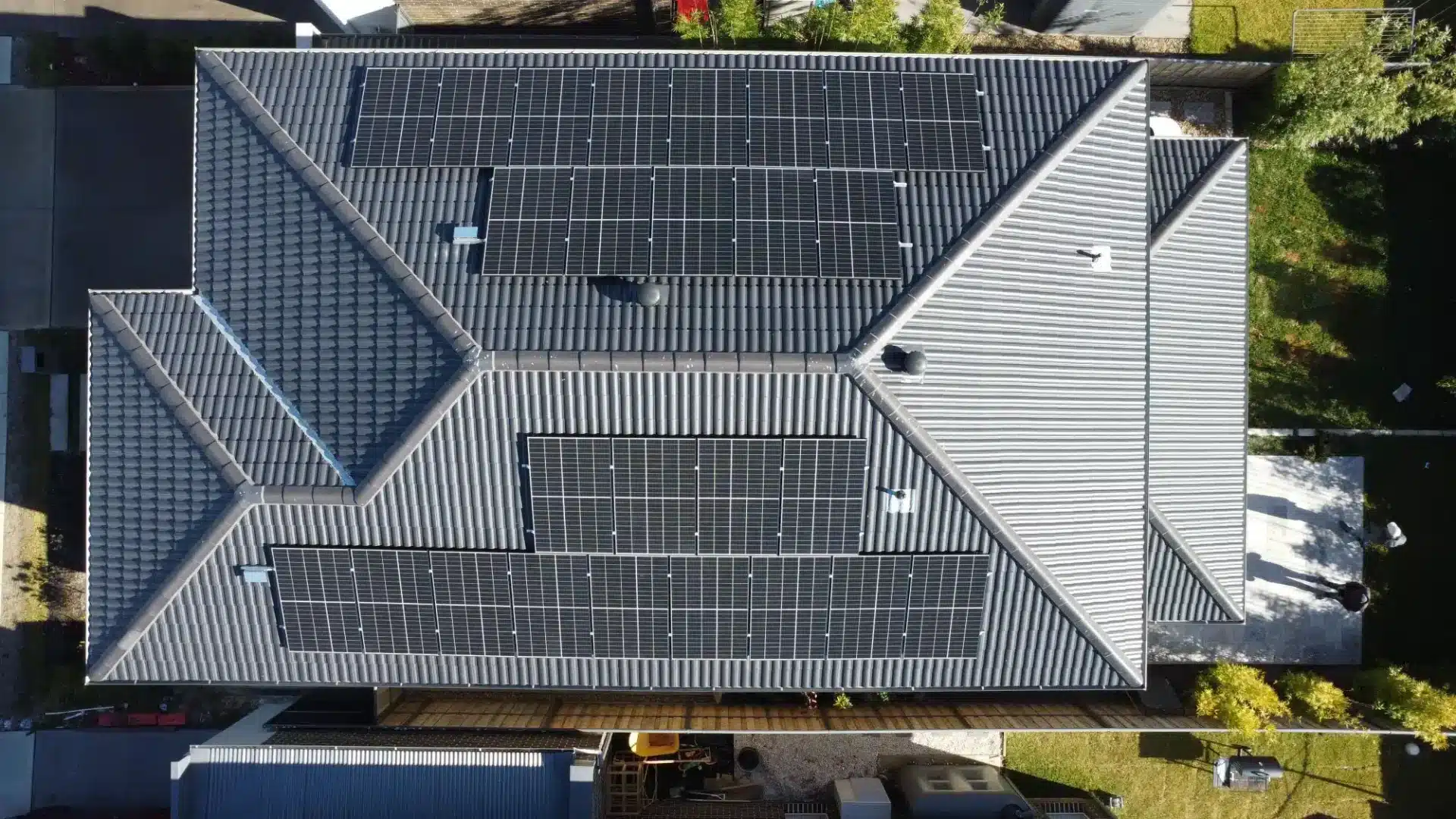
290kW Commercial Solar Installation for Medical Manufacturing Facility in Sydney
Project Overview
System Snapshot
-
System Size: 290kW
-
Solar Panels: 537 × Risen 540W modules
-
Inverters: 4 × Sungrow commercial inverters
-
Energy Offset: 65% of total energy demand
-
Self-Consumption: 84%
-
Annual Savings: $150,000+
-
Lifetime Savings: $3.6 million+
-
ROI: 52.6%
-
Payback Period: 2.1 years
The Energy Challenge
Medical manufacturing facilities operate:
- Continuous HVAC systems
- Controlled laboratory environments
- Sterile production lines
- High daytime load profiles
Fresenius was facing:
- Escalating electricity tariffs
- High peak demand charges
- Rising carbon reporting pressure
- Long-term expansion planning requirements
Energy costs were impacting operational margins.
System Design & Engineering Strategy
Solar Galaxy’s in-house engineers and energy analysts conducted:
- Interval data analysis
- Peak demand event modelling
- Power factor assessment
- Grid tariff comparison
The system was designed to produce more energy than current daytime load requirements, enabling future operational expansion or grid export flexibility.
Engineering Highlights
- Structural roof assessment prior to installation
- Compliance with Australian electrical standards
- CEC-accredited engineering oversight
- Non-disruptive installation schedule
Environmental Impact
- 342 tonnes of CO₂ avoided annually
- Equivalent to planting 64,871 trees
- 10,090,550 car kilometres avoided
- 7,222 long-haul flights offset
This positions Fresenius as a sustainability leader within the healthcare manufacturing sector.
KPIs
~65%
Annual output
84%
Self-consumption rate
2.1 years
Payback period
52.6%
Rate of return
Why Commercial Solar Makes Sense
Healthcare and biotechnology facilities benefit from solar because:
- High predictable daytime loads
- Strong energy modelling data availability
- ESG compliance requirements
- Long lease or property ownership horizons
- Operational stability
A properly engineered commercial solar system turns roof space into an energy-producing asset.
Solar Galaxy’s in-house energy brokerage reduced energy bills from $40,000 to $9,000 in the first month post-optimisation.
Installation Process
Solar Galaxy handled:
- Site inspections
- Engineering certification
- DNSP approvals
- Electrical integration
- Structural assessment
- Commissioning & QA
- Ongoing system monitoring
The system was installed with minimal operational downtime.
Ongoing Monitoring & Expansion Potential
Solar Galaxy’s in-house analysts continue to:
- Monitor performance benchmarks
- Evaluate tariff shifts
- Assess battery feasibility
- Identify expansion opportunities
The system remains battery-ready for future integration.
Other Case Studies
Explore more success stories and discover how we’ve helped other clients achieve their solar energy goals.
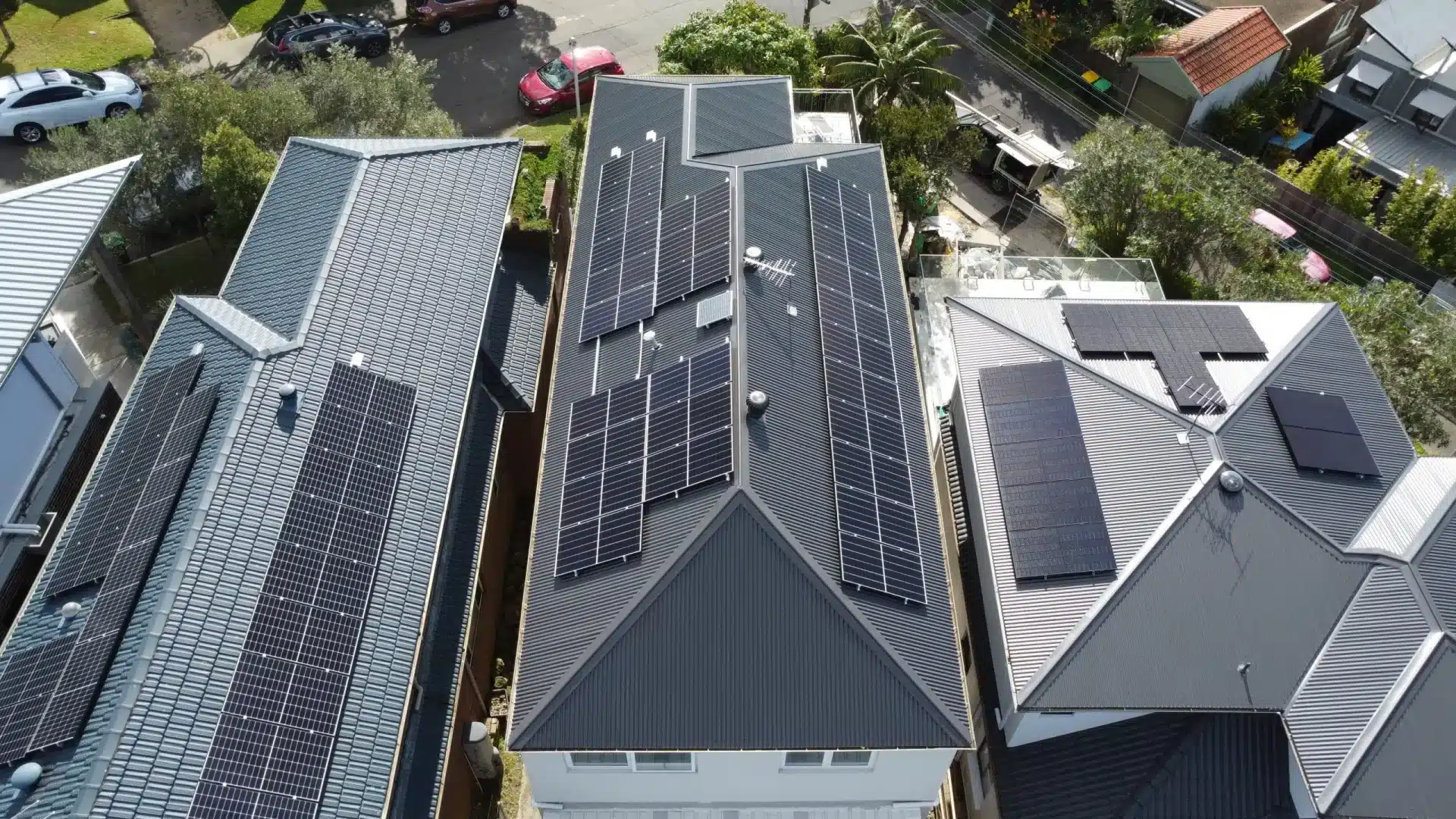
10.53kw Solar System Installation in Clovelly, NSW
10.53 kW System
27 x 390w Qcells G9+ Panels
1 x Sungrow 8 kW inverter
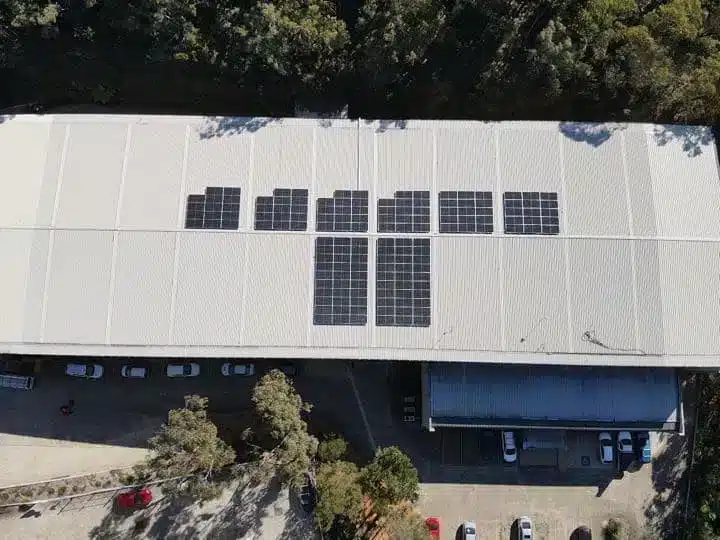
100kW Solar and 280kW Battery Storage Installation: Coppertree Farms
99.5 kW Solar and 280 kWh battery
199 x 500W Risen Panels
2 x Sungrow 50 kW Commercial Inverters
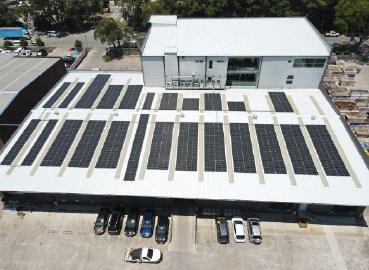
156kW Rooftop Solar Installation: AusDiagnostics, Mascot NSW
System capacity: 156kW
Solar panels: 376 x TW Solar 415W
Inverters: 4 x Sungrow
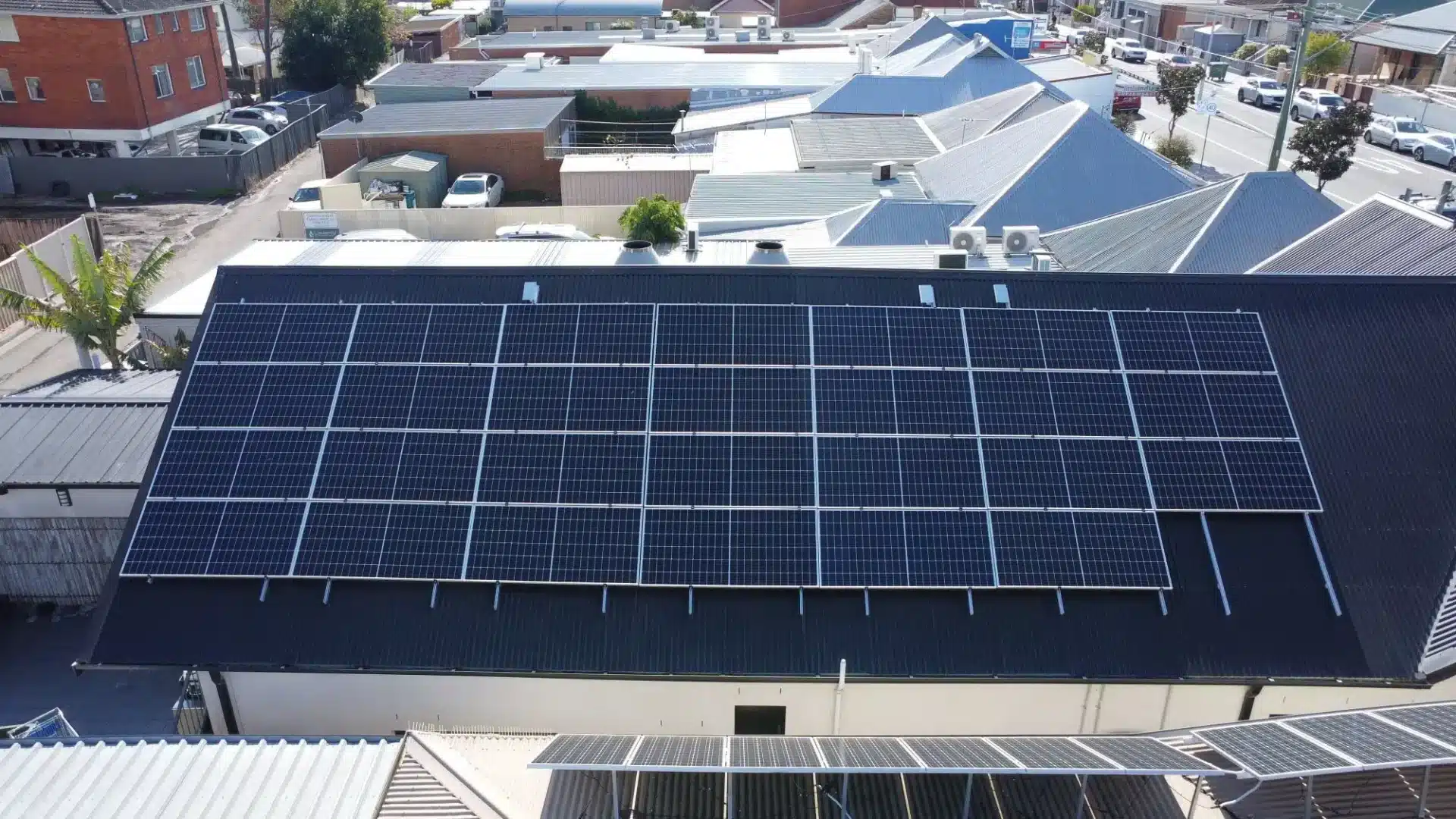
24.3kw Commercial Solar System Installation at Not Just Curries, Harris Park, NSW
24.3kW
54 x 450W Longi panels
1x Fronius Symo 20kw Inverter
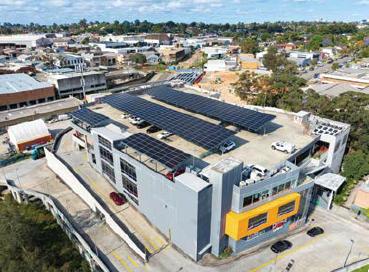
297kW Commercial Solar Carport Installation: Mortdale Plaza, Sydney
System Size: 297kW
Solar Panels: 625 × SunPower 475W
Inverters: 2 × SMA
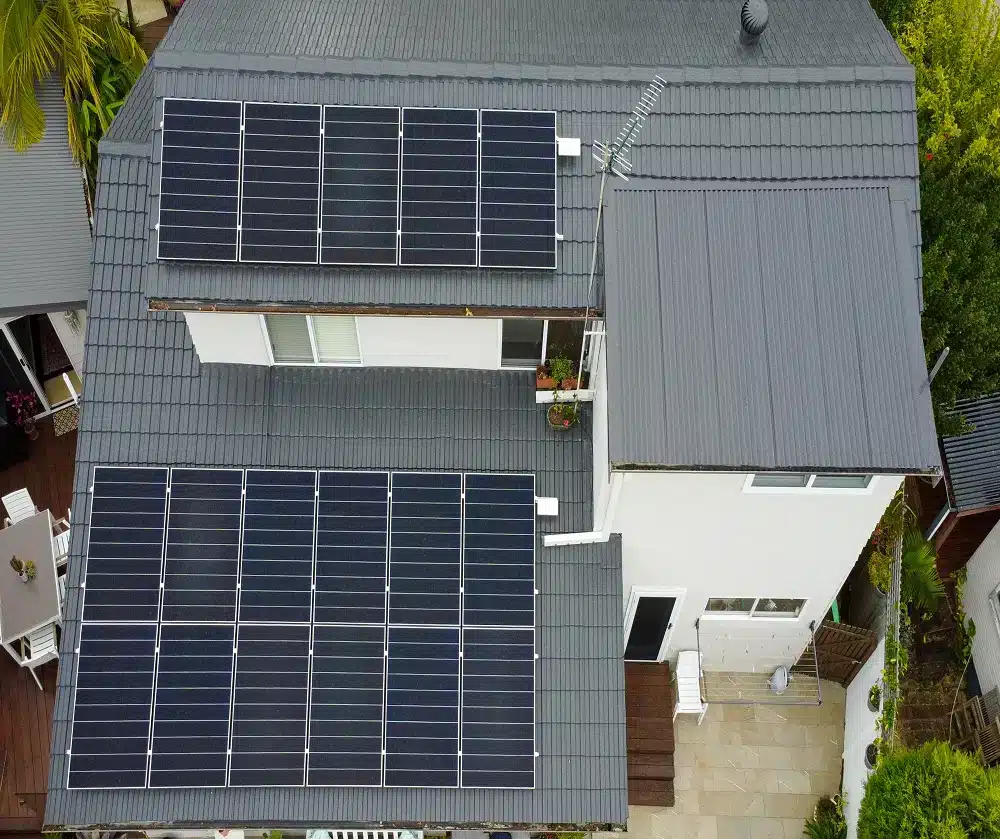
6.6kw Solar System Installation in Cromer, NSW
6.6 kW installed in Cromer NSW 2099
17 x 390w Hyundai Solar Panels
1 x Sungrow 5 kW inverter
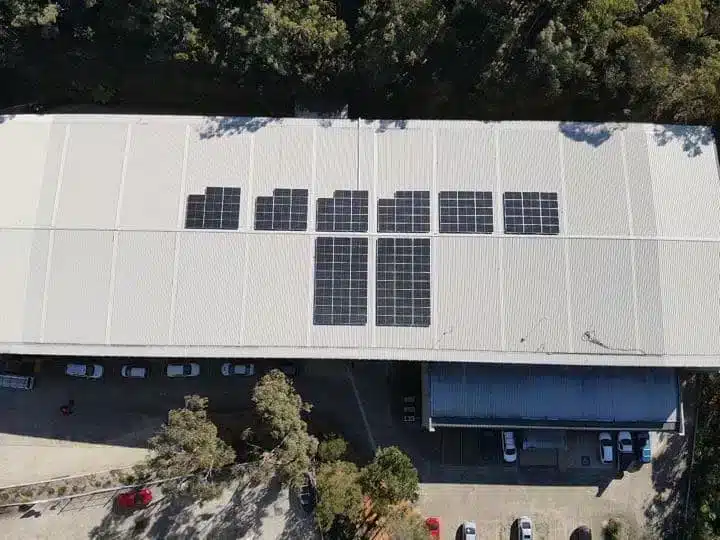
66.43kw Commercial Solar System installed in Evaton Trophies at Mt Kuring Gai NSW
66.43 KW
146 x 455W Longi Panels
1x Sungrow 50 kW Inverter